AI Readiness Assessment & Consulting
Know Where AI Creates Value, and What to Fix First
An AI readiness assessment answers the questions that come before any AI investment: Where can AI create value? What is ready today? What needs to change first? Our AI readiness consulting services review your business priorities, data, technology, governance, workflows, and people.
You receive an AI readiness evaluation, prioritized opportunities, and an actionable roadmap. Start with an idea, an existing experiment, or no clear direction at all. If the roadmap calls for it, the same team can continue into validation or implementation.

4.9/5 client rating

Recognized growth company

Experience with GPT models

Experience with Anthropic Claude models

$19,000 a Year Back for an Electrical Contractor’s Office
A phased AI pilot is designed to give a U.S. electrical contractor’s office an estimated $19,000 a year in recovered time.

AI Adoption for NYC Personal Injury Firm
A phased AI adoption plan is designed to help a New York City personal injury firm answer every after-hours inquiry, send demands in a third of the time, and get back about 1,800 staff and attorney hours a year.
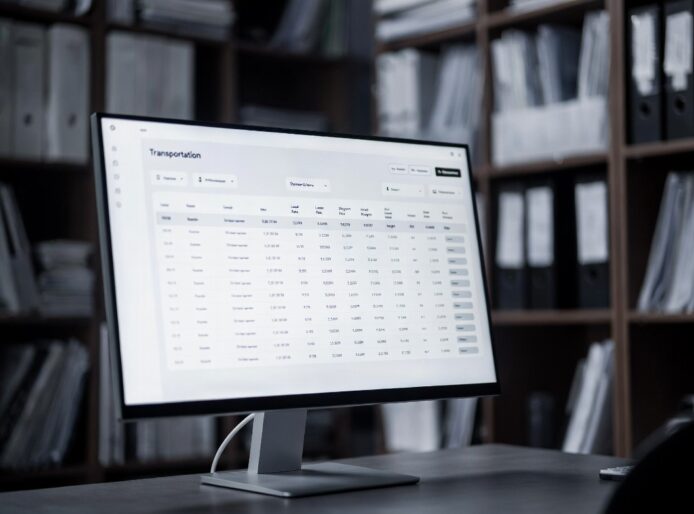
Automating Rate Confirmation Processing
A transportation company was manually processing broker rate confirmations one by one, creating delays, data-entry errors, and limited visibility.
Our AI Readiness Assessment Services
Every AI program starts from a different place. Some teams need a full picture of where they stand, while others already know which gap is blocking their next decision. Our AI readiness assessment services are engagement options rather than a required sequence. Start with the assessment for the overall diagnostic, or begin with the area that matters most to you.

AI Readiness Assessment
The assessment maps your current position across business strategy, data, technology, governance, workflows, and workforce capability. Stakeholder input and the evidence you already have reveal where you are strong, where the gaps sit, and which dependencies affect the rest.
This is the overall diagnostic. Where you need a narrower review, AI readiness audit services can focus on a single area and feed the wider picture. The tabs below describe the deeper consulting work that follows.
Includes:
- Current-state readiness scorecard
- Prioritized gap register
- Recommended next steps

AI Use-Case Discovery and Prioritization
We identify opportunities from your actual workflows and business problems rather than from a generic list of AI ideas. Each candidate is compared on value, feasibility, data availability, risk, effort, and the adoption it will need.
Recommendations can favor conventional automation, search, or analytics when those solve the problem more reliably or at lower cost. That judgment is part of the work.
Includes:
- Use-case portfolio
- Prioritization rationale
- Success measures and business-case assumptions

Data and Technology Readiness Consulting
We examine data quality, accessibility, and ownership, plus how your systems connect and where infrastructure limits sit. The focus is the conditions your selected use cases need in order to be validated and later operated.
Technical recommendations stay tied to a specific requirement, so you invest in what a use case needs rather than in tools that happen to be current.
Includes:
- Data and system dependency map
- Remediation priorities
- Architecture recommendations

AI Governance and Security Readiness
AI security readiness and governance come down to one question: how will data, tools, outputs, and AI-enabled actions be controlled? Our enterprise AI readiness consulting reviews accountability, vendor review, permissions, human oversight, and the evaluation each use case requires.
Controls align with the obligations you already carry, without promising certification or a compliance outcome.
Includes:
- Governance gap review
- Recommended controls and ownership
- Security and review requirements

Workforce and AI Adoption Readiness
The assessment covers leadership alignment, employee skills, workflow changes, and operational ownership. Adoption barriers affect what is realistic to deliver, so they are examined alongside the technology.
Includes:
- Stakeholder and skills assessment
- Training and change priorities
- Adoption measures and responsibilities

AI Strategy and Implementation Roadmap
Findings become a phased plan that reflects dependencies, available resources, and your investment priorities. Estimated costs and benefits are included with their assumptions, so the numbers can be tested.
The plan identifies where validation or implementation decisions belong. A pilot or a full implementation can be scoped separately when you are ready.
Includes:
- Sequenced initiatives and owners
- Budget and resource estimates
- Validation and implementation decision points
WiserBrand in Numbers
WiserBrand’s work spans software engineering, data, cloud, and delivery. Our AI readiness consulting draws on those teams.
Trusted by Leading Brands








AI Delivery Case Studies
The consulting we provide is shaped by projects we have designed, built, and supported. Each case below shows how a business problem moved toward a working solution, including the data, integration, evaluation, and human review work behind it.



Bring a use case you are considering. We will review the data, systems, and adoption work it needs before you commit.
AI Readiness Consulting by Industry
AI readiness priorities change with the business environment. The method stays the same, but the strongest opportunities, the available data, and the limits on automation differ by sector. We adapt the assessment, the validation criteria, and the roadmap to how your business operates.
Retail
Retailers usually have more AI ideas than capacity, across product discovery, customer support, catalog enrichment, and demand forecasting. AI readiness for retail means choosing the opportunities that move commercial outcomes and grounding them in the data and permissions you already control.
- Opportunities to assess: Product discovery, customer support, catalog enrichment, demand forecasting
- Readiness checks: Catalog and transaction data, inventory accuracy, customer permissions, integration access, measurable commercial outcomes

Finance
Banks and financial firms work with sensitive data and strict traceability requirements. Document processing, internal knowledge access, and analyst assistance are common starting points, provided every output can be traced back to its source and reviewed by the right person.
- Opportunities to assess: Document processing, internal knowledge access, analyst assistance
- Readiness checks: Data sensitivity, traceability, approval responsibilities, auditability, model evaluation

Manufacturing
Manufacturing knowledge sits across manuals, maintenance logs, quality records, and the experience of senior staff. AI readiness for manufacturing starts with making that knowledge easier to find and apply, while recommendations stay advisory wherever safety and equipment are involved.
- Opportunities to assess: Maintenance support, quality analysis, forecasting, technical knowledge access
- Readiness checks: Equipment and historical data, document versions, site differences, operational integration, safety boundaries

Logistics & Supply Chain
Logistics teams handle high volumes of events, documents, and exceptions. The strongest candidates tend to sit in demand planning, exception handling, shipment inquiries, and document processing, where speed and consistency matter most.
- Opportunities to assess: Demand planning, exception handling, shipment inquiries, document processing
- Readiness checks: Event-data quality, partner access, system latency, decision ownership, operational fallback procedures

Real Estate
Property teams work with leases, tenant messages, maintenance requests, and accounting records spread across several systems. AI can take on much of the reading, sorting, and drafting while decisions that affect tenants and finances stay with staff.
- Opportunities to assess: Maintenance coordination, lease information access, tenant communications, reporting
- Readiness checks: Property-level permissions, document quality, accounting connections, privacy, approval of consequential actions

Professional Services
Law, accounting, and consulting firms sell expertise, so AI has to support professionals without replacing their judgment. Research assistance, document review, proposal drafting, and internal knowledge access tend to offer the largest time savings with output that can be checked.
- Opportunities to assess: Research assistance, document review, proposal drafting, internal knowledge access
- Readiness checks: Confidentiality, matter or client boundaries, source reliability, expert review, staff adoption

Business Value of an AI Readiness Assessment
An assessment has value beyond the document it produces. It changes the decisions leaders can make with confidence, from what to fund first to who owns the result.

Prioritize the Right AI Investments
You compare opportunities on evidence rather than enthusiasm, weighing business goals against what delivery realistically requires. The outcome is a shorter list of investments you can justify with more than a pitch.

Address Blockers Before Development
Data gaps, integration limits, security constraints, and organizational dependencies surface before a build starts, when they are cheaper to resolve and easier to plan around.

Plan Budgets and Resources
You can estimate the work, the people, and the ongoing operating costs behind each recommended initiative, so funding discussions begin from realistic numbers.

Assign Ownership and Measure Progress
Each initiative gets an accountable owner, clear success measures, and defined adoption responsibilities, which keeps progress visible after the engagement ends.

Why WiserBrand for AI Readiness Consulting
WiserBrand advises on AI with the same teams that build and support it. That shapes the advice itself: recommendations arrive with realistic effort, integration, and operating considerations, because the people who write them also deliver the work.

Consulting Backed by Engineering

Business Goals Guide AI Priorities

Recommendations That Fit Your Systems

Governance and Human Oversight Built In
Workforce Readiness Alongside Technology

Support From Assessment Through Delivery
Our AI Readiness Assessment Process
A typical assessment moves through five stages. The path depends on how many areas you want covered, how accessible your data is, and how many stakeholders take part. The stages below show how a typical engagement progresses, not a fixed package you have to buy in full.
Business priorities, workflows, stakeholders, and baseline
Strategy, data, technology, governance, and workflows
Value, feasibility, risk, cost, and adoption compared
Gaps turned into data, architecture, control, and workforce actions
Sequencing, resources, estimates, and decision points
Align Goals and Scope
1 WeekThe engagement starts by recording business priorities, workflows, stakeholders, constraints, and baseline performance. This sets the scope and the measures the rest of the work is judged against.
- Agreed assessment scope
- Success measures
- Information and stakeholder requirements
Evaluate Readiness
2-3 DaysWe review strategy, data, technology, governance, workflows, and workforce capability, drawing on stakeholder input and the evidence you can share.
- Readiness scorecard
- Supporting findings
- Gap and dependency register
Prioritize AI Opportunities
1 WeekWe compare candidate use cases against value, feasibility, risk, cost, and adoption needs, so the shortlist reflects what is genuinely worth starting.
- Ranked shortlist
- Business-case assumptions
- Recommended starting points
Define the Required Changes
1-3 DaysThe findings translate into data, architecture, control, ownership, and workforce actions, each tied to a requirement rather than a preference.
- Remediation priorities
- Solution and control recommendations
- Adoption and ownership plan
Deliver the Roadmap and Next-Step Plan
1 WeekWe agree on sequencing, resources, estimates, and decision points, then set out the recommended next step. Validation is often that next step, and it can be scoped separately. A completed pilot is not part of a standard assessment.
- Phased roadmap
- Budget and responsibility estimates
- Validation criteria and next-step recommendation
Get started with WiserBrand
Let’s begin your project journey
Prompt Response
We’ll contact you within 24 business hours to discuss your project
Exploratory Call
A 15-20 minute call to discuss your needs and goals
Tailored Proposal
Receive a custom proposal with recommended next steps
or
Pick a time that works for you, and let’s hop on a call
AI Readiness Assessment FAQs
Still Have Questions? Talk to Our TeamAn AI readiness assessment is a structured review of how prepared your organization is to adopt AI, covering business priorities, data, technology, governance, workflows, and workforce capability. It ends with an AI readiness evaluation, prioritized opportunities, and a roadmap. An audit or evaluation can form part of that broader consulting engagement, often focused on a narrower area or question, rather than a separate product.
The standard outputs are a readiness scorecard, a prioritized gap register, a portfolio of opportunities with their business-case assumptions, and a phased roadmap. Deeper architecture work, validation, or a pilot depends on scope and is estimated separately.
Include business and process owners who understand how the work runs today, IT and data leads, and the risk or compliance stakeholders who set the rules. It helps to prepare workflow examples, information about the relevant systems, and any existing AI policies or standards. One clear owner per target area keeps decisions moving.
Timing depends on how many departments, systems, and data sources are in scope, how quickly access is granted, and how deep the assessment goes. A focused review of one area takes less time than a company-wide assessment across several business units. We confirm a range once the scope is clear.
Cost follows scope: the number of areas assessed, the condition and accessibility of your data, how many stakeholders and systems are involved, and the governance or compliance requirements. Assessment fees are separate from optional pilot, implementation, and ongoing operating costs, which are estimated after the roadmap. We provide an estimate after an initial conversation about your goals and current state.
Yes. Most organizations start with a mix of legacy systems and incomplete data. The assessment identifies which constraints matter for the use cases you care about and what practical preparation they need. Full platform replacement is rarely required, and we recommend the smallest change that removes a real blocker.
Yes. A generative AI readiness assessment looks at data quality, retrieval, output evaluation, privacy, and human review of generated text. Agentic AI readiness adds further requirements: scoped permissions for the tools an agent can use, limits on the actions it may take, oversight and approval points, and recovery steps when something goes wrong. Both are covered when your use cases need them.
Access is agreed in advance and limited to what the assessment requires, such as read-only access, sample data, or documentation. Data-handling arrangements are set out before work begins, including where information is stored and who can see it. We work within the security and privacy requirements you already follow.
Yes. We review business fit, data, output quality, cost, controls, ownership, and adoption. Findings can support improving a pilot, expanding it, or retiring it when the case no longer holds. You get a prioritized recommendation rather than a verdict alone.
When you evaluate an AI readiness assessment consultant, check relevant delivery experience, the depth of the assessment, and whether the outputs are tangible enough to act on. Ask how the consultant evaluates use cases, how it measures output quality, and whether the recommendations respect your existing systems and constraints. It also helps when the same AI readiness assessment company can carry the work into validation or implementation, so nothing is lost in the handoff.